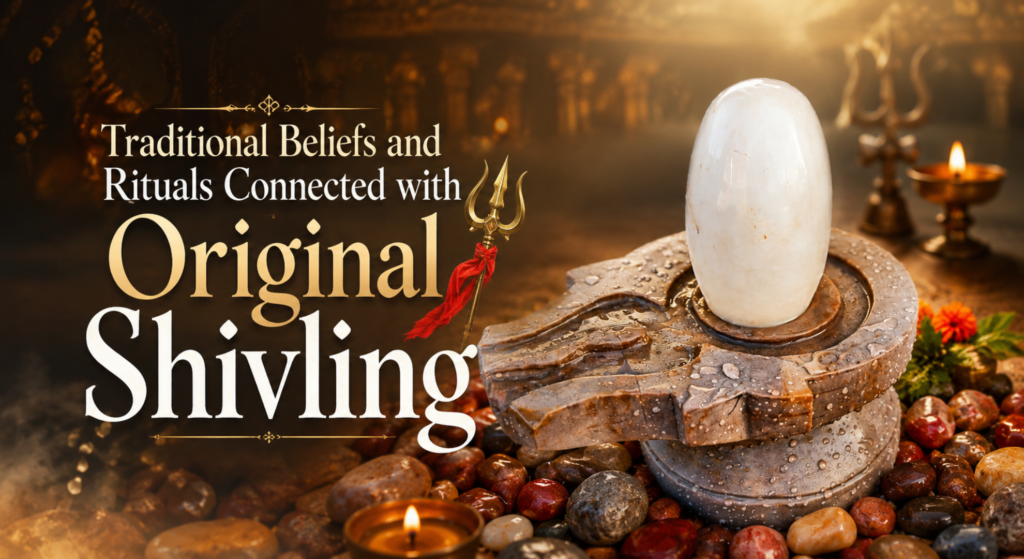
Introduction to Original Shivling Worship Traditions
The Shivling has remained one of the most sacred symbols in Hindu spirituality for centuries. Devotees worship it as a representation of Lord Shiva, divine consciousness, and cosmic balance. Among the many forms of Shivlings used in worship, naturally formed and authentic Shivlings hold special spiritual importance because ancient traditions consider them pure, naturally energized, and deeply connected with divine energy.
The concept of original shivling rituals comes from long-standing Hindu worship practices that emphasize devotion, discipline, and spiritual awareness. These rituals are not limited to religious customs alone. Instead, they represent a complete spiritual approach that encourages inner peace, emotional balance, and mindfulness. Even today, millions of devotees continue to follow these traditional rituals because they feel spiritually meaningful and emotionally grounding in daily life.
Why Original Shivlings Hold Special Importance in Rituals
Ancient Hindu traditions describe naturally formed Shivlings as spiritually complete and sacred. Devotees believe that authentic Shivlings, especially Narmadeshwar Shivlings from the sacred Narmada River, carry natural spiritual vibrations because they form through nature rather than human carving.
This belief strongly influences original shivling rituals because devotees feel:
- Natural Shivlings create stronger spiritual connection
- Authentic worship objects maintain spiritual purity
- Traditional rituals become more meaningful with genuine Shivlings
Furthermore, naturally formed Shivlings symbolize harmony between nature and divine consciousness. As a result, worshippers often prefer authentic Shivlings for meditation, prayer, and daily spiritual practices.
Traditional Morning Rituals for Original Shivling Worship
Morning worship is considered highly important in Hindu spiritual tradition because early hours are associated with calmness, purity, and positive energy. Many devotees begin their day by performing simple yet meaningful rituals near the Shivling.
Traditional original shivling rituals performed in the morning often include:
- Cleaning the worship area carefully
- Offering pure water to the Shivling
- Performing milk Abhishek with devotion
- Lighting a lamp or incense
- Chanting Shiva mantras calmly and clearly
These rituals help devotees create a peaceful mental state before beginning daily activities. In addition, regular morning worship encourages discipline and spiritual focus, which many devotees consider essential for maintaining emotional balance and positivity.
Importance of Abhishek in Shivling Rituals
Abhishek is one of the most important and widely practiced Shivling rituals. During this ritual, devotees pour water, milk, or other sacred offerings over the Shivling while chanting prayers or mantras. Ancient traditions describe Abhishek as a symbolic act of purification, devotion, and surrender to divine energy.
The original shivling rituals connected with Abhishek are believed to:
- Create a calm and spiritually uplifting atmosphere
- Improve concentration during worship
- Encourage emotional peace and mindfulness
- Strengthen devotion toward Lord Shiva
Moreover, the flowing water during the ritual symbolizes the continuous flow of spiritual energy and purification of thoughts. Many devotees feel mentally relaxed and spiritually connected after performing Abhishek regularly.
Role of Mantras in Traditional Shivling Worship
Mantra chanting forms an essential part of traditional Shivling rituals because sound vibrations are believed to influence both the mind and the surrounding environment. Ancient spiritual teachings explain that chanting mantras with focus helps devotees develop concentration, emotional stability, and spiritual awareness.
During original shivling rituals, devotees commonly chant:
- Om Namah Shivaya
- Maha Mrityunjaya Mantra
- Simple Shiva prayers and hymns
These chants help create rhythmic breathing and mental calmness, which naturally supports meditation and mindfulness. In addition, regular mantra chanting often helps reduce stress and improve emotional clarity in daily life.
For mantra guidance, read:
https://shriramaynarmadeshwar.com/simple-mantras-to-chant-while-worshipping-narmadeshwar-shivling/
Traditional Beliefs About Spiritual Energy and Purity
One of the strongest beliefs connected with authentic Shivlings is that they naturally carry spiritual energy because of their sacred origin. Narmadeshwar Shivlings form naturally in the holy Narmada River over thousands of years, which devotees believe makes them spiritually pure and naturally energized.
This belief influences original shivling rituals because worshippers often feel:
- Natural Shivlings absorb sacred river vibrations
- Authentic Shivlings maintain positive spiritual energy
- Worship becomes more spiritually meaningful with genuine sacred objects
Additionally, many devotees believe that naturally formed Shivlings create peaceful and positive surroundings within homes and temples.
Importance of Cleanliness and Discipline in Rituals
Cleanliness is considered extremely important in Hindu worship traditions. Before beginning rituals, devotees usually clean the Shivling and the surrounding worship area carefully. Ancient teachings associate cleanliness with purity of thought, spiritual respect, and disciplined living.
Traditional practices often include:
- Keeping the worship area organized and peaceful
- Avoiding distractions during rituals
- Maintaining calmness and respectful behavior
These habits encourage mindfulness and emotional balance while also creating a spiritually uplifting atmosphere for worship and meditation.
Special Rituals Performed on Mondays and Festivals
Mondays are traditionally associated with Lord Shiva and hold special importance in Shivling worship. Many devotees perform extended rituals, fasting, and additional prayers on this day because it is considered spiritually auspicious.
Special original shivling rituals on Mondays may include:
- Repeated Abhishek ceremonies
- Longer meditation sessions
- Group prayers and devotional chanting
- Offering flowers and sacred leaves
Similarly, Shiva-related festivals involve elaborate worship practices in homes and temples. These occasions strengthen devotion and encourage community participation in spiritual traditions.
Connection Between Rituals and Spiritual Discipline
Ancient Hindu traditions emphasize that rituals are not only external actions but also methods for improving inner discipline and awareness. Regular Shivling worship encourages devotees to develop patience, focus, humility, and emotional control.
The original shivling rituals often help devotees:
- Maintain consistent spiritual routines
- Improve emotional stability and calmness
- Develop deeper concentration during meditation
- Strengthen positive thinking and mindfulness
As a result, many people view these rituals as valuable spiritual habits rather than simple religious customs.
How Traditional Shivling Rituals Remain Relevant Today
Even in modern times, millions of devotees continue to follow traditional Shivling rituals because they provide emotional grounding and spiritual balance. Daily life often involves stress, distractions, and mental pressure, so spiritual practices help people reconnect with peace and calmness.
The continued importance of original shivling rituals reflects:
- Respect for ancient Hindu traditions
- Desire for authentic spiritual experiences
- Need for emotional and mental balance
- Appreciation for disciplined spiritual living
Because of this, authentic Shivling worship remains highly meaningful for both traditional devotees and modern spiritual practitioners.
Importance of Choosing an Authentic Shivling for Worship
Authenticity is very important because naturally formed Shivlings carry deeper traditional and spiritual significance. Genuine Narmadeshwar Shivlings have smooth natural textures and balanced shapes created by the sacred Narmada River over long periods of time.
When selecting a Shivling:
- Observe natural texture and shape carefully
- Avoid overly decorative artificial designs
- Choose naturally formed stones from trusted sellers
- Ensure the Shivling maintains traditional appearance
You can explore authentic Shivlings here:
https://shriramaynarmadeshwar.com/#product
Visit the official website:
https://shriramaynarmadeshwar.com/
For related spiritual guidance, read:
https://shriramaynarmadeshwar.com/what-makes-an-original-shivling-different-from-decorative-shivlings/
FAQs
1. What are the main original Shivling rituals?
Traditional rituals include Abhishek, mantra chanting, offering water, lighting lamps, and meditation.
2. Why is Abhishek important in Shivling worship?
It symbolizes purification, devotion, and the flow of positive spiritual energy.
3. Why do devotees prefer authentic Shivlings for rituals?
Many believe naturally formed Shivlings carry stronger spiritual purity and divine energy.
4. Which day is considered most important for Shivling worship?
Monday is traditionally considered highly auspicious for Lord Shiva worship.
5. How do rituals help in spiritual growth?
They encourage discipline, mindfulness, emotional balance, and spiritual awareness.
6. Where can I buy authentic Narmadeshwar Shivling?
You can visit:
https://shriramaynarmadeshwar.com/