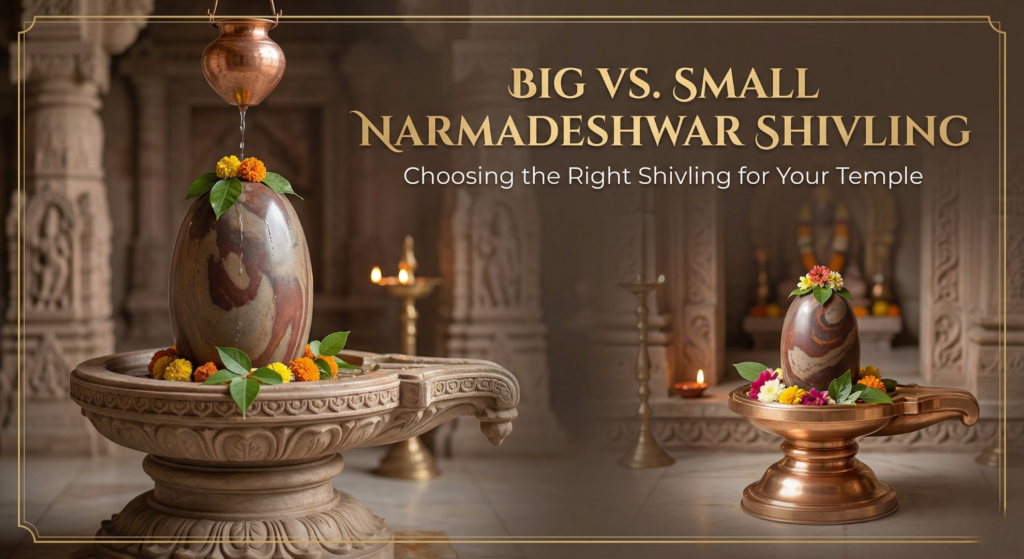
Choosing the right Shivling size is one of the most important decisions when setting up or upgrading a temple. The comparison between big vs small Shivling is not just about physical size; rather, it involves understanding spiritual purpose, temple requirements, and practical usability.
In temples, the Shivling acts as the central focus of devotion and energy. Therefore, selecting the appropriate size ensures that rituals are performed smoothly, devotees can participate comfortably, and the overall spiritual atmosphere remains balanced. While both big and small Shivlings hold equal spiritual importance, their suitability depends on how and where they are used.
You can explore authentic Shivlings for temple use here:
https://shriramaynarmadeshwar.com/
Understanding the Role of Shivling in Temples
The Shivling represents the infinite and formless nature of Lord Shiva. In temples, it becomes the focal point where all rituals, prayers, and offerings are directed.
A well-placed Shivling helps:
- Create a strong spiritual environment
- Support daily and special rituals
- Provide a center for devotee interaction
- Maintain traditional temple structure
Therefore, choosing the right size becomes essential for both functionality and spiritual alignment.
What is a Big Shivling?
A big Shivling typically refers to Shivlings used in temples where space is large and the number of devotees is high.
Common Size Range
- 18 inches to 3 feet
- 3 feet and above for large temples
Key Characteristics
- Prominent and highly visible
- Suitable for large-scale rituals
- Allows multiple devotees to participate
- Often installed in major temples
Big Shivlings create a strong visual and spiritual presence in the temple.
What is a Small Shivling?
A small Shivling is usually used in smaller temples or for limited space settings.
Common Size Range
- 4 to 12 inches
Key Characteristics
- Compact and easy to maintain
- Suitable for simple rituals
- Ideal for low footfall temples
- Requires less space
Small Shivlings are practical and efficient for daily worship in smaller setups.
Big vs Small Shivling: Key Differences
Comparison Table
| Feature | Big Shivling | Small Shivling |
|---|---|---|
| Size | Large | Compact |
| Temple Type | Large temples | Small temples |
| Rituals | Complex and large-scale | Simple and limited |
| Devotee Capacity | High | Limited |
| Maintenance | Requires effort | Easy |
This comparison helps in understanding how each size fits different temple needs.
Advantages of Big Shivling for Temple
Strong Spiritual Presence
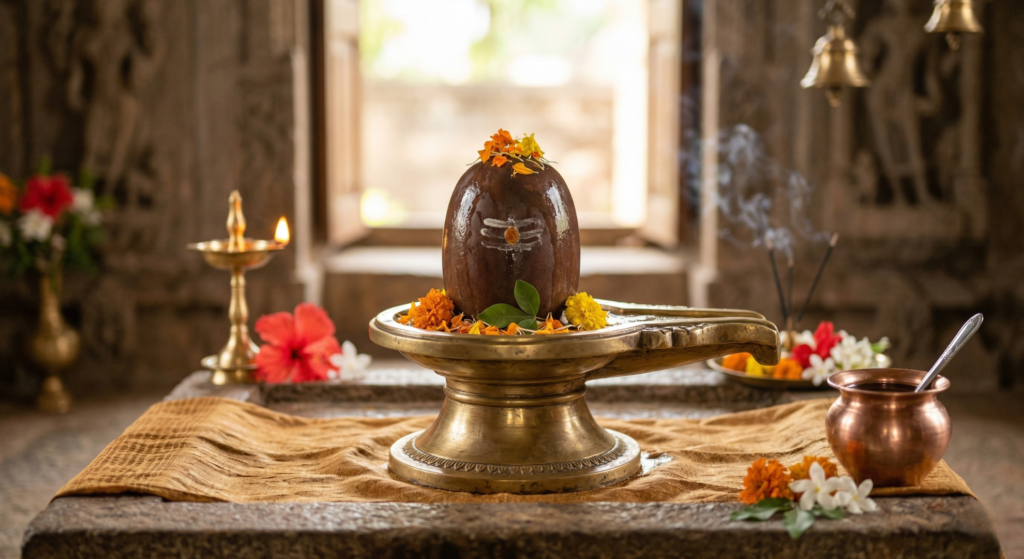
A big Shivling creates a powerful and impactful environment. As soon as devotees enter the temple, it draws attention and enhances devotion.
Suitable for Large Rituals
Big Shivlings support elaborate rituals such as:
- Rudra Abhishek
- Continuous Jal Abhishek
- Festival ceremonies
These rituals require space and accessibility, which large Shivlings provide.
Supports Large Number of Devotees
In busy temples, many people gather at once. A big Shivling allows multiple devotees to perform darshan and participate in rituals comfortably.
Advantages of Small Shivling for Temple
Easy Maintenance
Small Shivlings are easier to clean, manage, and maintain on a daily basis.
Suitable for Limited Space
In smaller temples, a compact Shivling ensures that the space remains organized and functional.
Ideal for Simple Worship
If the temple focuses on basic daily rituals rather than large ceremonies, a small Shivling is more practical.
Which Shivling is Better for Temple Use?
The answer depends on the temple’s size, purpose, and usage.
Choose Big Shivling When
- The temple has large space
- High number of devotees visit regularly
- Rituals are elaborate and frequent
- The temple aims for strong visual and spiritual impact
Choose Small Shivling When
- Space is limited
- Devotee flow is moderate or low
- Rituals are simple and minimal
- Maintenance needs to be easy
Therefore, the choice should always align with practical and spiritual requirements.
Importance of Narmadeshwar Shivling for Temples
Regardless of size, choosing a Narmadeshwar Shivling adds significant value.
These Shivlings:
- Are naturally formed in the Narmada River
- Carry strong spiritual significance
- Are durable and long-lasting
- Are widely accepted in temples
You can explore authentic options here:
https://shriramaynarmadeshwar.com/#product
Factors to Consider Before Choosing Shivling Size
Temple Space
Ensure the Shivling fits proportionally within the temple.
Devotee Capacity
Consider how many people will visit and participate in rituals.
Type of Rituals
Complex rituals require larger Shivlings.
Maintenance Capability
Choose a size that can be maintained properly over time.
Common Mistakes to Avoid
Choosing Size Without Planning
Selecting a Shivling without considering space and usage can create problems later.
Ignoring Proportion
A mismatch between Shivling size and temple size can disrupt visual and spiritual balance.
Overlooking Ritual Needs
Ensure the Shivling supports the type of worship performed in the temple.
Connection with Temple Elements Like Nandi
In temples, Nandi is placed facing the Shivling and must be proportionate in size. If you want to understand how to choose the right Nandi, you can read:
https://shriramaynarmadeshwar.com/large-nandi-statue-for-temple-how-to-choose-the-right-one/
Long-Term Perspective
When choosing between big vs small Shivling, it is important to think long-term.
A temple may grow over time, attract more devotees, and host larger events. Therefore, selecting a Shivling that supports future expansion can be beneficial.
Role of Devotion
While size matters for functionality, devotion remains the most important aspect of Shiva worship. Whether the Shivling is big or small, sincere prayer and regular rituals create the true spiritual energy of the temple.
FAQs
Which is better big vs small Shivling for temple?
It depends on temple size, number of devotees, and type of rituals performed.
Is big Shivling more powerful than small Shivling?
Both are equally sacred. Big Shivlings are more suitable for large temples and collective worship.
Can small Shivling be used in temple?
Yes, small Shivlings are ideal for smaller temples with limited space.
What size Shivling is ideal for large temple?
Typically 18 inches to 3 feet or more, depending on the temple size.
Why choose Narmadeshwar Shivling for temple?
Because of its natural formation, spiritual significance, and durability.
Where can I buy Shivling for temple?
You can explore authentic Shivlings here:
https://shriramaynarmadeshwar.com/