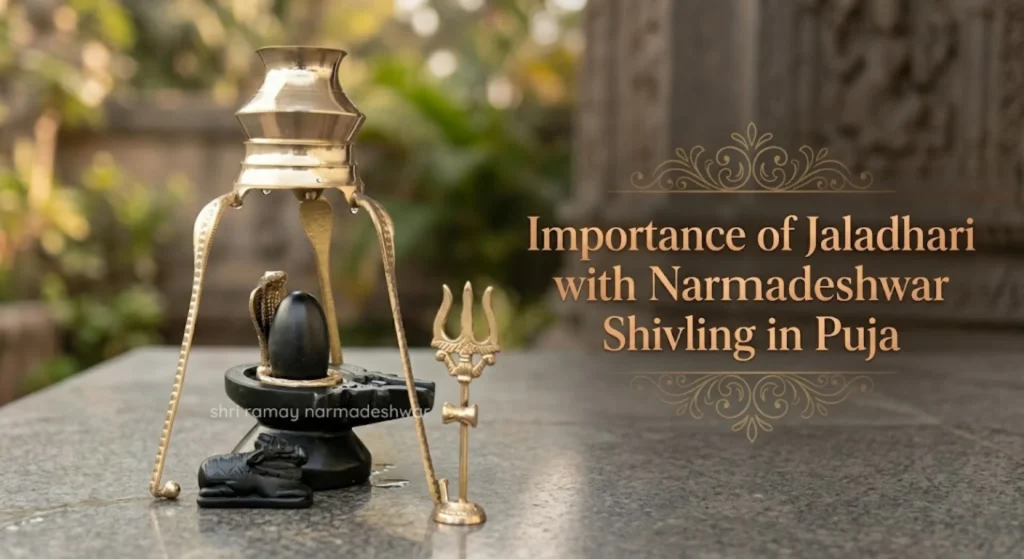
The Narmadeshwar Shivling with Jaladhari is considered a complete and traditional setup for Shiva worship. While the Shivling represents Lord Shiva and divine cosmic energy, the Jaladhari acts as its base and plays an equally important role in the ritual process. Together, they form a balanced and spiritually aligned structure that enhances both the effectiveness and sanctity of worship.
Many devotees focus only on the Shivling itself; however, without a proper Jaladhari, the ritual of Abhishek and daily puja may remain incomplete or less effective. Therefore, understanding the importance of using a narmadeshwar shivling with jaladhari helps in creating a correct and traditional puja setup at home or in temples.
You can explore authentic Shivlings with proper setup here:
https://shriramaynarmadeshwar.com/
What is Jaladhari in Shivling Worship
The Jaladhari is the base or platform on which the Shivling is placed. It is designed in such a way that it collects and channels the water or other liquids offered during Abhishek.
Structure of Jaladhari
The Jaladhari typically includes:
- A flat base to hold the Shivling
- A spout (called “Somasutra”) to direct the flow of water
- A slightly sloped surface for smooth drainage
This design ensures that the offerings made during Abhishek flow in a proper direction without creating mess or imbalance.
Spiritual Meaning of Jaladhari
The Jaladhari is not just a functional base; it also holds deep spiritual symbolism.
Represents Goddess Shakti
In many interpretations, the Jaladhari represents Goddess Shakti, while the Shivling represents Lord Shiva. Together, they symbolize the union of masculine and feminine energies.
Symbol of Energy Flow
The spout of the Jaladhari represents the flow of energy from the Shivling into the surroundings, spreading positivity and balance.
Completes the Divine Structure
Without Jaladhari, the Shivling setup is considered incomplete in traditional practices. Therefore, both elements together create a complete representation of cosmic balance.
Importance of Narmadeshwar Shivling with Jaladhari
Using a narmadeshwar shivling with jaladhari is essential for proper worship and ritual performance.
Ensures Proper Abhishek Flow
During Abhishek, water and other offerings are poured over the Shivling. The Jaladhari ensures that these liquids flow smoothly and are directed properly.
Maintains Cleanliness
Without Jaladhari, the offerings may spread around and create mess. With it, the puja area remains clean and organized.
Enhances Spiritual Alignment
The combined structure of Shivling and Jaladhari represents unity and balance, which enhances the spiritual effectiveness of worship.
Role of Jaladhari in Daily Abhishek Ritual
The Jaladhari plays a crucial role in daily Abhishek rituals.
Controlled Flow of Offerings
It channels water, milk, and other substances in a controlled manner, preventing overflow.
Supports Continuous Abhishek
In some rituals, continuous water flow is maintained over the Shivling. The Jaladhari makes this process smooth and manageable.
Preserves Sacred Space
By directing the flow, it keeps the surrounding area clean and spiritually pure.
For detailed Abhishek steps, you can read:
https://shriramaynarmadeshwar.com/daily-abhishek-rituals-for-narmadeshwar-shivling-at-home/
Correct Placement of Jaladhari with Shivling
Proper placement ensures maximum spiritual benefit.
Direction of Spout
The spout of the Jaladhari should ideally face north or east direction.
Position in Puja Room
- Place in a clean and quiet space
- Keep it on an elevated platform
- Ensure proper drainage for Abhishek water
Alignment
The Shivling should sit firmly in the center of the Jaladhari for balance and stability.
Materials Used for Jaladhari
Jaladhari can be made from different materials, each with its own significance.
Common Materials
- Stone: Traditional and durable
- Marble: Smooth and aesthetically pleasing
- Metal: Used in portable setups
Stone and marble Jaladharis are most commonly used for long-term worship.
Benefits of Using Jaladhari with Shivling
Using a narmadeshwar shivling with jaladhari offers several benefits.
Improves Ritual Efficiency
It makes Abhishek easy and organized.
Maintains Hygiene
Prevents accumulation of liquids around the Shivling.
Enhances Spiritual Experience
Creates a complete and traditional worship setup.
Supports Long-Term Use
Protects the Shivling and surrounding area from damage.
Common Mistakes to Avoid
Using Shivling Without Jaladhari
This can lead to improper ritual setup and lack of balance.
Wrong Direction Placement
Incorrect spout direction may affect traditional alignment.
Poor Quality Base
Low-quality Jaladhari may not handle daily Abhishek properly.
Ignoring Cleanliness
Regular cleaning is essential to maintain purity.
Choosing the Right Narmadeshwar Shivling with Jaladhari
Selecting the right combination ensures effective worship.
Consider Size
Choose a size suitable for your home or temple space.
Check Stability
Ensure the Shivling fits securely in the Jaladhari.
Verify Authenticity
Always select a natural Narmadeshwar Shivling.
You can explore authentic options here:
https://shriramaynarmadeshwar.com/#product
Connection Between Shivling Formation and Jaladhari Use
Understanding the natural formation of Shivling enhances appreciation for its traditional setup. You can read more here:
https://shriramaynarmadeshwar.com/how-narmada-river-stones-become-sacred-shivlings/
Role of Devotion in Puja Setup
While using a proper Jaladhari is important, devotion remains the most essential element. A well-structured setup enhances the ritual, but sincerity and faith make it spiritually meaningful.
FAQs
What is Jaladhari in Shivling worship?
It is the base that holds the Shivling and directs the flow of Abhishek offerings.
Why is Jaladhari important?
It ensures proper flow of liquids, maintains cleanliness, and completes the spiritual setup.
Can we use Shivling without Jaladhari?
It is possible, but not recommended for proper and traditional worship.
Which direction should Jaladhari face?
The spout should ideally face north or east.
What material is best for Jaladhari?
Stone or marble is preferred for durability and traditional value.