
Keeping a Narmadeshwar Shivling at home is considered highly auspicious in Hindu tradition. Devotees believe that the divine energy of Lord Shiva resides in the Shivling and brings spiritual growth, positivity, and peace into the household. However, according to Vastu Shastra, the direction and placement of the Shivling play an important role in maintaining harmony and spiritual balance.
Understanding the Narmadeshwar Shivling direction at home helps devotees perform proper worship and ensures that the sacred energy flows correctly within the house. When placed in the right direction, the Shivling is believed to remove negative energy and attract blessings of Lord Shiva.
If you are planning to install a Shivling in your home temple, it is important to follow traditional guidelines and Vastu principles.
You can explore authentic Narmadeshwar Shivlings from the sacred Narmada River on the official website:
https://shriramaynarmadeshwar.com/
What is Narmadeshwar Shivling?
A Narmadeshwar Shivling is a naturally formed stone Shivling found in the holy Narmada River in India. These sacred stones are believed to be self-manifested representations of Lord Shiva.
Unlike artificially crafted Shivlings, Narmadeshwar Shivlings are naturally shaped and are considered extremely powerful in spiritual practices. Many Hindu scriptures describe them as one of the most sacred forms of Shiva worship.
Some key characteristics include:
- Naturally smooth oval shape
- Sacred markings created by natural river flow
- Considered highly energised spiritually
- Ideal for home temples and meditation
Devotees often bring a Narmadeshwar Shivling home for daily worship and spiritual upliftment.
Importance of Direction While Placing Shivling at Home
In Vastu Shastra, direction influences the flow of energy within a space. The placement of sacred objects such as a Shivling should follow specific guidelines so that the spiritual vibrations remain balanced.
The Narmadeshwar Shivling direction at home determines how the divine energy of Lord Shiva spreads throughout the house. Incorrect placement may disturb the spiritual balance of the home temple.
Proper direction ensures:
- Positive energy circulation
- Peaceful environment for meditation and prayer
- Spiritual harmony within the household
- Enhanced effectiveness of daily puja
Therefore, following Vastu guidelines while placing a Shivling is considered highly beneficial.
Best Direction to Place Narmadeshwar Shivling at Home
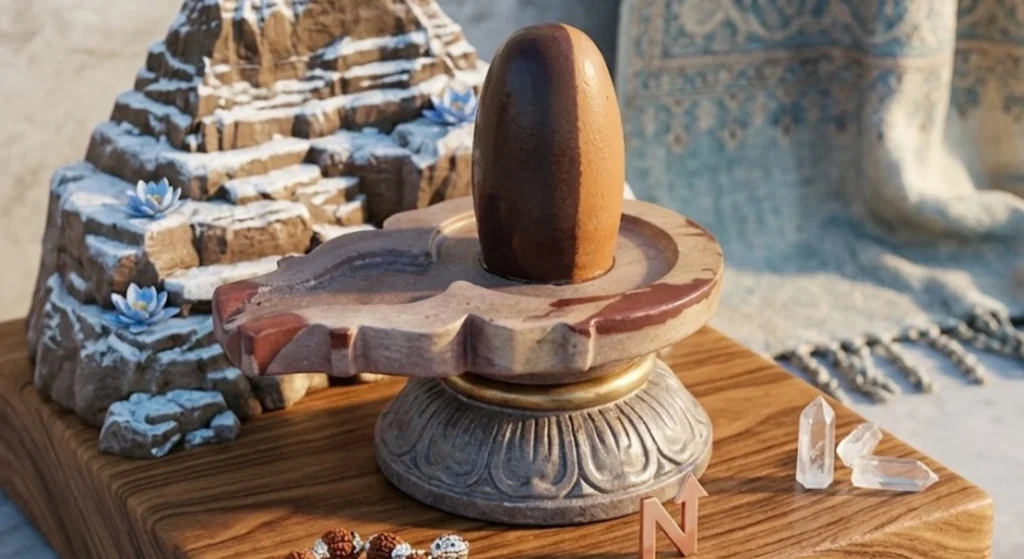
According to traditional Vastu principles, the north direction is considered the most suitable direction for placing a Shivling.
North Direction
The north direction is associated with Mount Kailash, the divine abode of Lord Shiva. Placing the Shivling facing north symbolizes the connection between the devotee and the sacred spiritual energy of Shiva.
Benefits of placing the Shivling in the north direction include:
- Spiritual growth and clarity
- Increased positive vibrations in the home
- Strong connection with divine energy
- Peace and prosperity
While worshipping, devotees should ideally face east or north.
Ideal Placement in Home Temple
The most suitable location for a Shivling is the home temple or puja room. This sacred space should be calm, clean, and used exclusively for worship.
Guidelines for placing the Shivling in the home temple include:
- Place the Shivling on a clean platform or pedestal
- Ensure it is placed slightly above floor level
- Keep the temple area clean and uncluttered
- Use a dedicated puja area for daily prayers
If you are looking to purchase an authentic Shivling for your home temple, you can explore the shop section:
https://shriramaynarmadeshwar.com/#product
Choosing a natural Narmadeshwar Shivling ensures a strong spiritual presence in your puja space.
Direction of the Jaladhari (Base) of Shivling
The base of the Shivling is known as the Jaladhari or Yoni base. According to Vastu, the outlet of the Jaladhari should ideally face north or east direction.
This orientation symbolizes the natural flow of energy and water offerings made during worship.
Traditional belief suggests that when the Jaladhari faces the correct direction:
- Spiritual energy flows smoothly
- Ritual offerings become more effective
- The environment remains spiritually balanced
Incorrect orientation may disturb the energy flow within the temple space.
Directions to Avoid While Placing Shivling
Although the Shivling can be worshipped anywhere with devotion, Vastu Shastra recommends avoiding certain placements inside the home.
Avoid South Direction
Placing the Shivling facing south is generally not recommended because it is associated with certain energetic imbalances in Vastu.
Avoid Bedrooms
The Shivling should not be placed in bedrooms since it represents powerful spiritual energy that is best suited for dedicated worship areas.
Avoid Direct Floor Placement
The Shivling should never be placed directly on the floor. It should always be kept on a pedestal or base.
Avoid Clutter Around the Temple
The area around the Shivling should remain clean and sacred.
Daily Worship Guidelines for Narmadeshwar Shivling
Once the Shivling is properly installed, daily worship enhances its spiritual impact. Devotees perform simple rituals to honour Lord Shiva and invite divine blessings.
Common practices include:
- Offering water or milk on the Shivling
- Chanting “Om Namah Shivaya”
- Offering Bilva leaves
- Lighting incense or diya
- Performing Rudra Abhishek on special days
Regular worship strengthens spiritual connection and maintains positive vibrations in the home.
Benefits of Keeping Narmadeshwar Shivling at Home
A properly placed Narmadeshwar Shivling is believed to bring numerous spiritual and energetic benefits.
Spiritual Peace
The presence of a Shivling creates a calm and sacred atmosphere within the house.
Protection from Negative Energy
Many devotees believe that the Shivling protects the home from negative influences and promotes positive energy.
Prosperity and Harmony
Regular worship of Lord Shiva is associated with prosperity, harmony, and emotional stability.
Support in Meditation
The Shivling is also considered a powerful symbol for meditation and inner growth.
Choosing an Authentic Narmadeshwar Shivling
Authenticity plays an important role when bringing a Shivling into your home temple. A genuine Narmadeshwar Shivling originates from the sacred Narmada River and carries natural energy formed over centuries.
When choosing a Shivling, consider:
- Natural stone formation
- Smooth oval shape
- Authentic source from Narmada River
- Suitable size for home temple
You can explore genuine and naturally sourced Shivlings on the official website:
https://shriramaynarmadeshwar.com/
Common Mistakes People Make While Placing Shivling
Many devotees unknowingly make placement mistakes that can affect the spiritual energy of their home temple.
Some common mistakes include:
- Placing the Shivling in the wrong direction
- Installing multiple Shivlings in a small home temple
- Keeping the Shivling directly on the floor
- Ignoring the direction of Jaladhari
- Placing the Shivling in unsuitable areas of the house
Following Vastu principles helps maintain proper spiritual balance.
FAQs
What is the best Narmadeshwar Shivling direction at home?
The north direction is considered the most suitable placement according to Vastu Shastra because it aligns with the spiritual direction associated with Lord Shiva.
Can we keep Narmadeshwar Shivling at home?
Yes, keeping a Narmadeshwar Shivling at home is considered highly auspicious and beneficial for spiritual growth and household harmony.
Which direction should the Jaladhari face?
The Jaladhari outlet should ideally face north or east to maintain proper energy flow during worship.
Can we place Shivling in bedroom?
According to traditional beliefs, the Shivling should not be placed in bedrooms. It should be kept in a dedicated puja room or temple space.
Is daily worship necessary for Narmadeshwar Shivling?
Daily worship is recommended but not mandatory. Even simple offerings like water and chanting “Om Namah Shivaya” are considered beneficial.
What size Shivling is ideal for home temple?
Small to medium sized Shivlings are generally recommended for home temples, as they are easier to maintain and worship regularly.